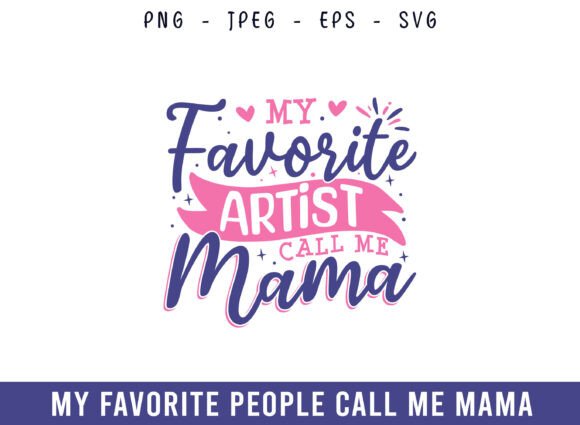
Review: My Favorite Artist Call Me Mama Design
As a designer who spends more time staring at stitch maps than most people spend watching television, I approach every new digital embroidery file with a healthy dose of skepticism. We have all been there: you download a cute graphic, digitize it (or buy a pre-made version), and halfway through the run, you realize the satin columns are too wide for the fabric or the underlay is non-existent. That is why I took a close look at the My Favorite Artist Call Me Mama Design before committing it to a client project. This isn't just about whether it looks good on a screen; it is about how it performs when the needle hits the fabric.
First Impressions and Visual Personality
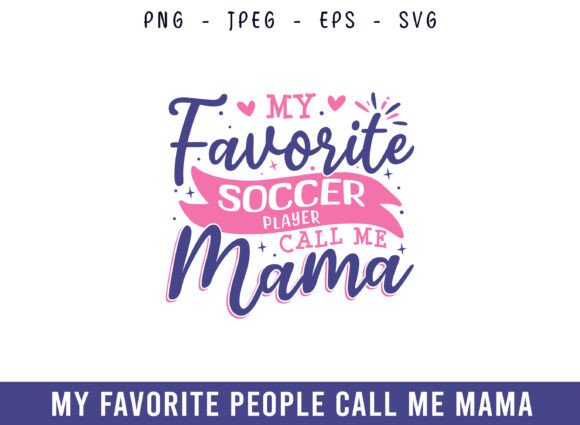
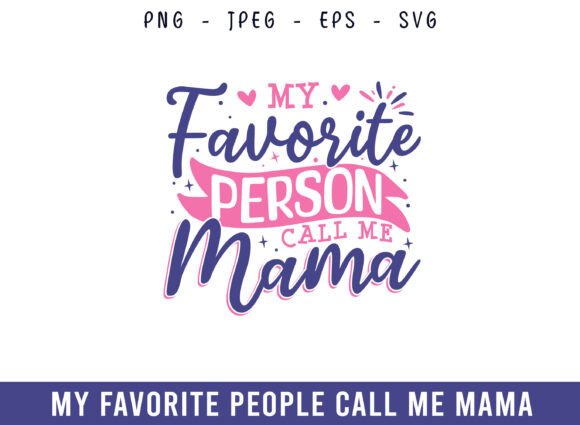
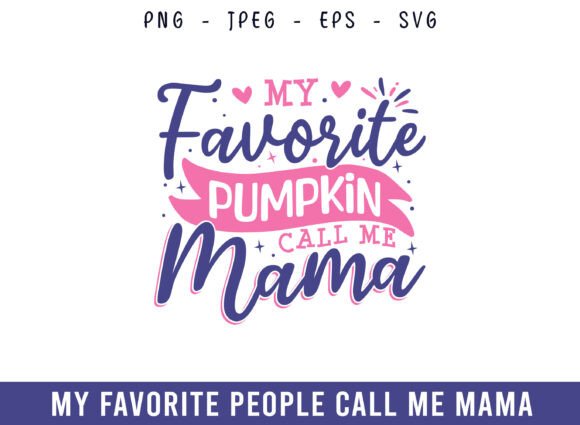
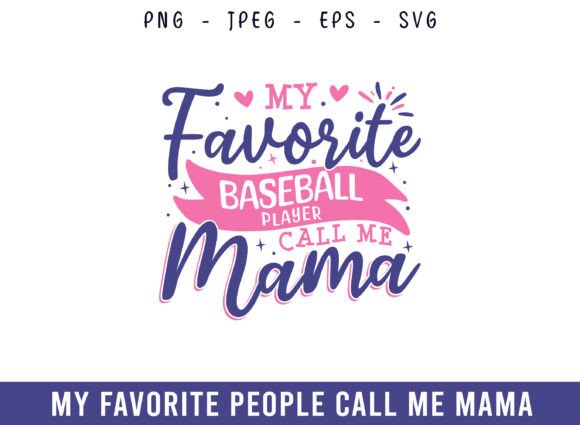
The initial appeal of this design lies in its sentiment. "Call Me Mama" carries a warm, affectionate weight that resonates deeply in the current market for personalized gifts. Visually, the layout suggests a balance between playful typography and decorative elements. When evaluating a Graphics asset like this for conversion into a machine embroidery design, I look for flow. Does the eye move naturally across the text? Are the decorative flourishes integrated or tacked on?
In this case, the design feels cohesive. The shapes are described as vector-based, which is a promising sign for scalability. For us in the Crafts industry, scalability means we can take one file and adapt it for a tiny baby onesie or a large tote bag without losing integrity. The mood is celebratory yet intimate, making it an ideal candidate for Mother's Day collections, but its versatility extends to year-round boutique products. It avoids the overly cluttered aesthetic that often plagues holiday-specific designs, giving it a longer shelf life in your craft business inventory.
Real-World Application: The Sweatshirt Test
To truly gauge the value of this asset, I imagined a specific real-life scenario: a custom order for a local boutique needing a run of matching family sweatshirt embroidery sets. The client wanted something that felt handmade but professional. Placing the My Favorite Artist Call Me Mama Design on a mid-weight cotton blend fleece seemed like the perfect test.
On a garment like this, stitch density becomes critical. If the design relies heavily on dense fill stitches, it can make the fabric stiff and uncomfortable, causing the garment to pucker around the chest area. A well-digitized version of this design should utilize a mix of satin stitch for the lettering to ensure crisp edges and lighter fill stitch or even running stitch details for any background elements. The goal is a finished product that drapes well. If executed correctly, this design adds significant perceived value to a standard sweatshirt, allowing a small shop product to command a higher price point due to its custom nature.
Versatility Across Products
Beyond apparel, this design shines in home decor and accessory categories. Imagine this stitched onto a canvas tote bag design for a teacher appreciation gift or a kitchen towel for a new grandmother. The simplicity of the message works exceptionally well on textured fabrics like waffle weave or linen, provided the digitizer has accounted for the fabric texture.
For Etsy sellers looking to expand their catalog, this graphic offers opportunities beyond physical goods. It can serve as the basis for printable mockup listings or be sold as part of a bundle of design assets for other creators. However, for those producing physical handmade products, the potential applications are vast:
- Baby Embroidery: Perfect for bodysuits or receiving blankets, provided the scale is reduced appropriately.
- Embroidered Patch: The clear outlines make it suitable for creating iron-on or sew-on patches.
- Holiday Embroidery: While great for Mother's Day, it fits equally well into spring collections or family reunion merchandise.
- Custom Apparel: Works on caps and visors if the curvature is managed during hooping.
Technical Considerations and Potential Pitfalls
No design is without its challenges, and honest review requires addressing where things could go wrong. If you are planning to use this on dark fabrics, the color contrast becomes paramount. The description mentions easy color changes, which is excellent for adapting to a black t-shirt or a navy mug wrap. However, in embroidery, you cannot simply "change a color" in software without considering how the thread interacts with the background. On dark materials, you may need to add a layer of white underlay or use a tear-away stabilizer on top to prevent the dark fabric from peeking through the stitches, which can muddy the thread colors.
Another area requiring caution is small hoop sizes. If you attempt to shrink this design too much for a sock or a small pocket detail, the fine lines in the lettering might merge. Tiny lettering is the enemy of clean embroidery; if the gaps between letters are smaller than the width of the stitch, the text will become illegible blob. Always test the design on scrap fabric of the same weight and texture as your final material. This step is non-negotiable for maintaining brand consistency and customer trust.
Furthermore, consider the end user. If this design is going onto a custom apparel item that will be washed frequently, such as a child's shirt, the stitch count and density must be balanced. Too many jumps or trims can lead to unraveling over time. A robust embroidery project plan includes selecting the right stabilizer—likely a cut-away for stretchy knits—to ensure the design remains stable after dozens of wash cycles.
Maximizing Commercial Value
For the commercial embroidery professional, the viability of a design often comes down to efficiency and visual impact. Does this design stop the machine constantly for trims? Is it quick to stitch while still looking premium? The My Favorite Artist Call Me Mama Design appears to have a structure that favors efficiency if digitized with production in mind. Clean paths and minimal travel stitches mean faster turnaround times for your clients.
From a marketing perspective, this design hits the emotional notes that drive sales. It speaks to identity and relationship, two powerful motivators in the gifting economy. When a customer sees this on a display table at a craft fair or in an online listing, they immediately visualize the recipient's reaction. That emotional connection translates directly into buyer engagement. To maximize this, pair the design with high-quality presentation. Use neutral backgrounds for photos to let the stitching pop, and highlight the texture of the thread in your close-up shots.
Final Verdict for Designers
In conclusion, the My Favorite Artist Call Me Mama Design holds strong potential for a variety of embroidery projects. Its strength lies in its emotional resonance and adaptable layout. However, its success in your hands depends entirely on your technical execution. Do not assume the SVG data translates perfectly to stitches without adjustment. Check the licensing terms carefully to ensure you are cleared for commercial embroidery use if you plan to sell finished items.
Before launching a full production run, create a prototype. Test it on both light and dark fabrics. Evaluate the drape of the garment post-stitching. If the details hold up and the finish is clean, this design can be a reliable workhorse in your seasonal collection. It is a reminder that in our trade, the best graphics are those that respect the limitations and possibilities of the needle and thread. Treat it with the care it deserves, and it will reward you with satisfied customers and a reputation for quality craftsmanship.