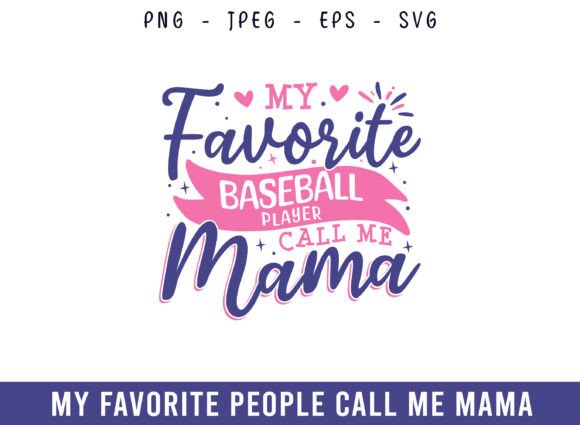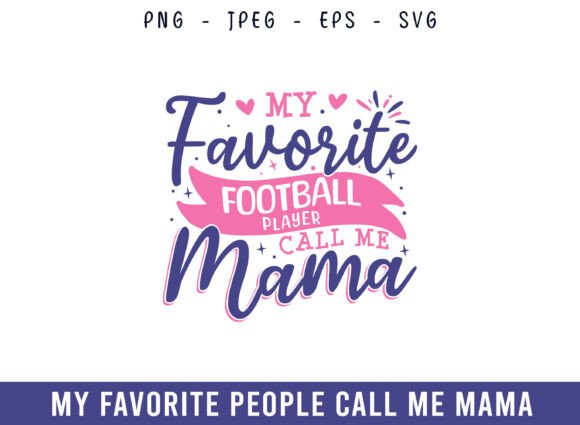
Review: My Favorite Soccer Player Call Me Mama Design
As a designer who spends more time staring at stitch maps than most people care to admit, I approach every new machine embroidery design with a mix of excitement and skepticism. We have all been there: you buy a cute graphic online, load it onto your machine, and halfway through the run, you realize the density is too high for that stretchy jersey knit or the details are so fine they will vanish under a standard thread weight. That is why I took a close look at the My Favorite Soccer Player Call Me Mama file before committing it to a client project. This isn't just about whether it looks good on a screen; it is about how it performs as a finished product in the real world.
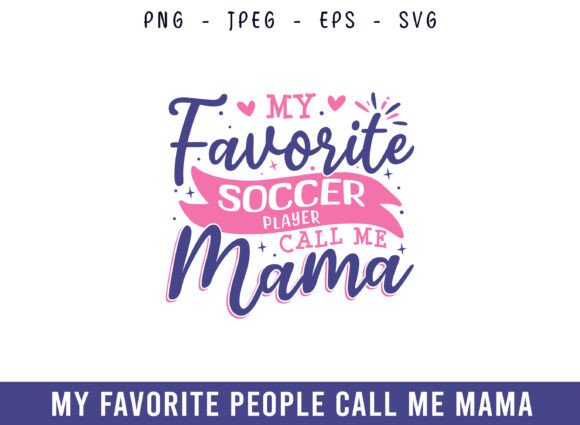
The first thing that strikes me about this piece is its thematic clarity. It sits squarely in the intersection of sports fandom and family pride, a niche that sells incredibly well for Etsy sellers and boutique owners, especially leading up to Mother's Day or the start of soccer season. The layout balances the playful declaration of "Mama" with the visual cue of a soccer player, creating an immediate emotional connection. For a craft business, this kind of clear messaging is gold because it requires zero explanation for the end customer. They see it, they feel it, and they want it on their kid's gear or their own game-day outfit.
Real-World Application: The Custom Tote Test
To truly evaluate this embroidery project, I decided to simulate a common request I get from local parents: a personalized tote bag for carrying cleats and water bottles. Canvas totes are popular handmade products, but they can be tricky due to the weave texture. When I prepped the My Favorite Soccer Player Call Me Mama design for this test, the vector-based nature of the source file (noted as having 100 vector shapes) suggested it would scale cleanly. However, scaling down for a smaller pocket on a tote required careful attention.
The design holds up remarkably well on medium-weight canvas. The lines are distinct enough that they do not get lost in the fabric grain, which is a common failure point for many digital embroidery files. If you are planning to use this for custom apparel like a sweatshirt, the open spaces in the design allow the fabric texture to breathe, preventing that stiff, cardboard-like feel that customers dislike. For a small shop product, comfort is just as important as aesthetics. The visual personality of the design is friendly and approachable, making it perfect for a personalized gift that feels bespoke rather than mass-produced.
Technical Considerations for Stitching
While the concept is solid, the execution depends entirely on how you translate this graphic into stitches. Since the original description highlights easy color changes for dark or light backgrounds, you have significant flexibility. However, as an experienced reviewer, I must advise caution regarding stitch density. If you are digitizing this yourself from the SVG, ensure you are not over-filling the soccer elements. A heavy fill stitch on a curved surface, like a cap or a baby onesie, can cause puckering.
For those using a pre-digitized version, always check the underlay. On stretchy fabrics typical of baby embroidery or athletic wear, a proper stabilizer is non-negotiable. I recommend testing the design on scrap fabric first. Specifically, look at the transitions between the text and the graphical elements. Are there long jumps that need trimming? Is the satin stitch width appropriate for the thread you are using? If you are working with metallic thread for a holiday variation, you may need to adjust the tension, as these designs often look fantastic in gold or silver for holiday embroidery gifts.
Another critical factor is the hoop size. While the design is resizable, cramming a complex layout into a 4x4 hoop might compromise the integrity of the smaller details. If you are creating an embroidered patch to sew onto a jacket later, a larger hoop allows for better registration and cleaner edges. Always confirm the minimum viable size before promising a specific placement to a client.
Commercial Viability and Brand Consistency
From a business perspective, the My Favorite Soccer Player Call Me Mama design offers strong potential for commercial embroidery ventures. It fits seamlessly into collections for sports moms, weekend warriors, and school spirit groups. The ability to easily swap colors means you can create a cohesive line of design assets for different teams without needing entirely new files. Imagine offering this in school colors for a local fundraiser; the versatility adds immediate value to your Etsy listings or craft fair table.
However, professionalism dictates that we respect licensing. Before selling finished items or including this in a bundle of printable mockups, verify the license terms provided with the download. Some files are for personal use only, while others allow for unlimited physical sales. Assuming the license permits commercial use, this design can significantly boost buyer engagement. It taps into a specific identity—"soccer mom"—which fosters brand loyalty. Customers are not just buying a shirt; they are buying an expression of their role in their child's life.
Final Verdict for Makers
In the realm of Crafts and Graphics, finding a file that balances cuteness with technical stability is rare. The My Favorite Soccer Player Call Me Mama design succeeds because it understands its audience. It is not overly complicated, which reduces the risk of thread breaks, yet it has enough character to stand out on a crowded shelf. Whether you are stitching it onto a kitchen towel as a quirky gift or featuring it on a premium hoodie for your boutique, the result is likely to be a high-quality item that builds customer trust.
My advice is to treat this file as a versatile tool in your arsenal. Use it to experiment with different thread colors against contrasting fabrics. Try it on a dark navy tee with bright white thread for a classic look, or go bold with neon accents for a modern twist. Just remember to respect the limitations of your machine and fabric. With the right preparation and a keen eye for detail, this design can become a staple in your portfolio of finished products, delivering satisfaction to both the maker and the wearer.